Beginning with a mission
“We didn’t even know that we were going to serve students per se. We were looking for, the proper focus would be where the greatest impact would be. And that’s where our conversations were. Even at Petit Jean Mountain. We hadn’t resolved that question at all. In fact, we were just looking at, you know. What would he call ourselves at the time? And it did come up that we did come up with the AISES name, and that was after lots of ideas were thrown out on the table about names for an organization. You know. What do we call ourselves? And then, later, after AISES was formed in 1977, at Petit Jean Mountain. That dialogue started. What do we do? And that took, as I recall, a year and a half, or maybe a little more, to begin to really zero in, and what I would call a mission statement because we didn’t have a specific mission at the beginning . . . I think that dialogue had to do with: Who could we serve the best? And where would the greatest impact of an organization like AISES have. Where could it do the most good? . . . So as we began to reach out. We could see that serving young people, and it had a horizon much broader than, let’s say, serving immediately tribes, because even tribes hadn’t fully asked for any help. And I mean there were other ideas like, do we become some kind of corporate entity for profit? Well, of course we did incorporate it as a nonprofit after we got organized in 1977.”
– Al Qöyawayma
Growing and maintaining values
“How do you provide young people with the kind of cultural support knowledge that we could when AISES was a much smaller organization. And so we have fall time with elders — when we greet the day together. We have talking circles that we hold for the young people so that they can maybe articulate some of their feelings or experiences. We provide the invocation at every invocation, at every session, at every workshop, making sure that our young people continue to have that kind of spiritual grounding and respect that has permeated the life of the first peoples of this land, love one another to respect each other, to know that they have the support of their peoples represented at AISES in the conference by the Council of Elders. Kind of a touch with home, maintaining that connection to your home community to know that you are loved, that you are supported, that we have we — that you are the dreams to all that we have envisioned. us, the parent and the grandparent generations of this land. AISES students are my dreams come true.”
– Henrietta Mann
People
Stories
Timeline

A.T. Anderson, Jerry Elliott, Carol Gardipe, Al Qöyawayma, Jim Shorty, and George Thomas meet at the Winrock Ranch on Petit Jean Mountain in Arkansas and discuss plans to found an organization to support Native people in science and engineering. The organization is officially incorporated as the National Society of American Indian Engineers (later changed to AISES) in Oklahoma with Thomas, Elliott , and Alex Labadie signing the Articles of Incorporation. The Board of Directors is established with Qöyawayma serving as chair.
The first AISES conference is held in Tempe, Arizona and the first college chapter is founded at Clarkson University in Potsdam, New York followed soon by chapters at the University of Oklahoma and Northern Arizona University. AISES also receives its first grant from the Sloan Foundation beginning a partnership that continues into the present day.
A.T. "Andy" Anderson is named first Executive Director of AISES and the first scholarship fund is established. The AISES mission expands to include supporting K-12 STEM education for Indigenous students as funding from the Department of Education supports science fairs and professional development for science and math teachers.

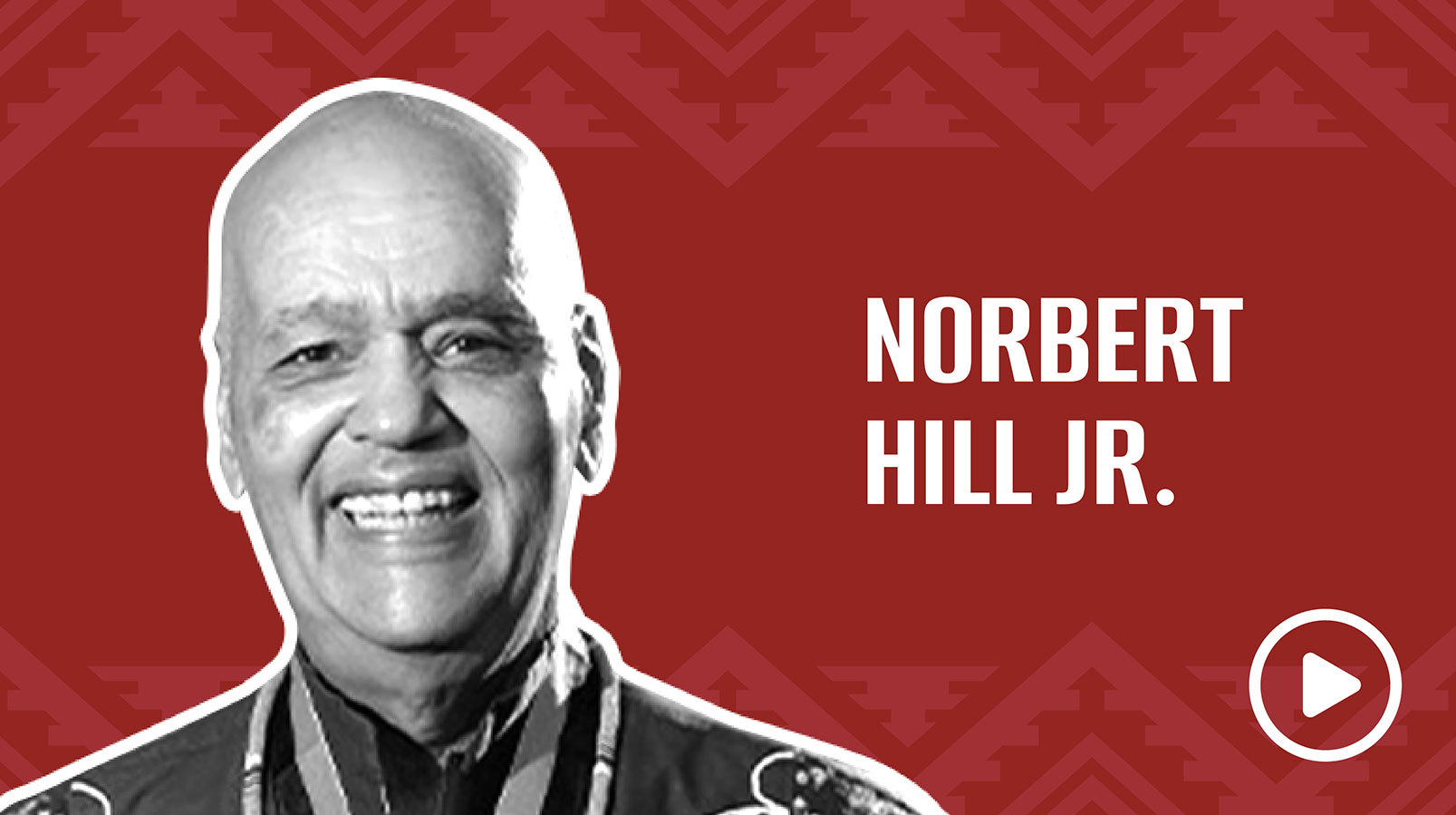
Norbert Hill, Jr. becomes executive director after the death of A.T. Anderson. The AISES scholarship program is renamed in Anderson's memory. AISES headquarters relocates to Boulder, Colorado. Corporate and Government Advisory Boards are established.

AISES celebrates its 10 year anniversary. In its first decade, student chapters increased from 1 to 40. AISES begins a historic dialogue series to bring together Indians from every recognized tribe and urban area to discuss education for American Indian youth. It is the first national effort which involves grassroots tribal members in the shaping of math and science education policy. The outcome of the series will be used to shape academic preparation and school reform programs. The 9th Annual Conference is held in Seattle where Northwest tribes present AISES with a cedar paddle.

The Council of Elders is officially established building on the informal yet vitally important contributions of elders such as Tony and Hazel Dukepoo since the beginnings of AISES. Elders have been key to the mission of AISES ensuring that students both achieve success in their chosen STEM field and remain connected to their communities. This same year AISES establishes the National American Indian Science and Engineering Fair.

AISES launches its website: www.aises.org. AISES national headquarters moves from Boulder, Colorado to Albuquerque, New Mexico.

The IBM Scholarship Program is established. The National Science Foundation funds a three-year program: Broadening Participation in Computational Sciences. The Full Circle of Support Funding Program is created. National Conference revenue reaches $1 million and membership shifts toward more professionals joining AISES as students graduate and maintain ties with the organization.

AISES goes international as the Canadian council’s charter is officially granted via a membership vote that at the National Conference. The idea of a Canadian council was first proposed in 2015 by a group who wanted to bring AISES programming to Canada. The first AISES in Canada National Gathering is held in Calgary.

Growth continues as the chapters expand in both number and type: 190 college/university chapters and 20 professional chapters. A new chapter type, tribal chapters are also introduced with two new chapters and the goal of increasing STEM educational and professional opportunities for their communities.

AISES adopts a new tagline "Advancing Indigenous People in STEM" to reflect the increasingly international reach of the organization. By 2024, AISES membership extends to over 7,000 individuals from over 500 Indigenous Nations including Native American, Native Hawaiian, Alaskan Native, First Nations, Métis, and Inuit students and professionals.

Theory of Change